The Rise of Emo: A Scene, a Sound, and a Word
The word “emo” is often associated with a specific subculture, sound, and aesthetic that took shape in the early 2000s. However, its origins are far deeper, dating back to the mid-1980s, when the term was first coined in the hardcore punk scene to describe a more emotionally charged form of music. Over the decades, the word evolved, taking on new meanings, and by the early 2000s, it had become synonymous with a new era of rock music that focused on raw, heartfelt expression. Bands like My Chemical Romance, Pan!c at the Disco, Fall Out Boy, and Paramore played pivotal roles in bringing the “emo” sound to mainstream audiences, marking a unique period in the evolution of alternative rock.

The Origins of Emo: From Hardcore Punk to the Mainstream
“Emo,” short for “emotional hardcore,” was originally a subgenre of punk rock that emerged in the mid-1980s in Washington, D.C. Bands like Rites of Spring and Embrace began experimenting with more emotional lyrics that contrasted with the aggression and political focus of the time. However, it wasn’t until the late ’90s and early 2000s that emo truly began to evolve into the mainstream phenomenon we recognize today.
The early 2000s saw a surge of emo-influenced bands that blended punk, indie rock, and pop-punk into a more accessible sound. The genre’s characteristic became its focus on vulnerability, personal struggles, and emotional honesty, often expressed through catchy melodies and dramatic vocals. Lyrics delved into themes of heartbreak, loneliness, identity, and self-doubt, striking a chord with young listeners who were navigating their own turbulent emotions through life.
My Chemical Romance: The Band That Defined Emo
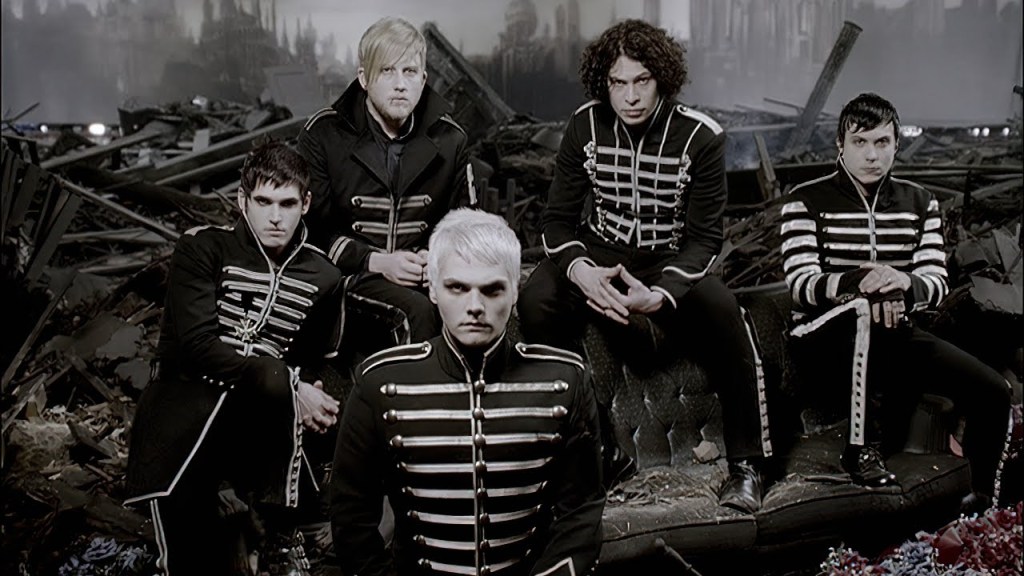
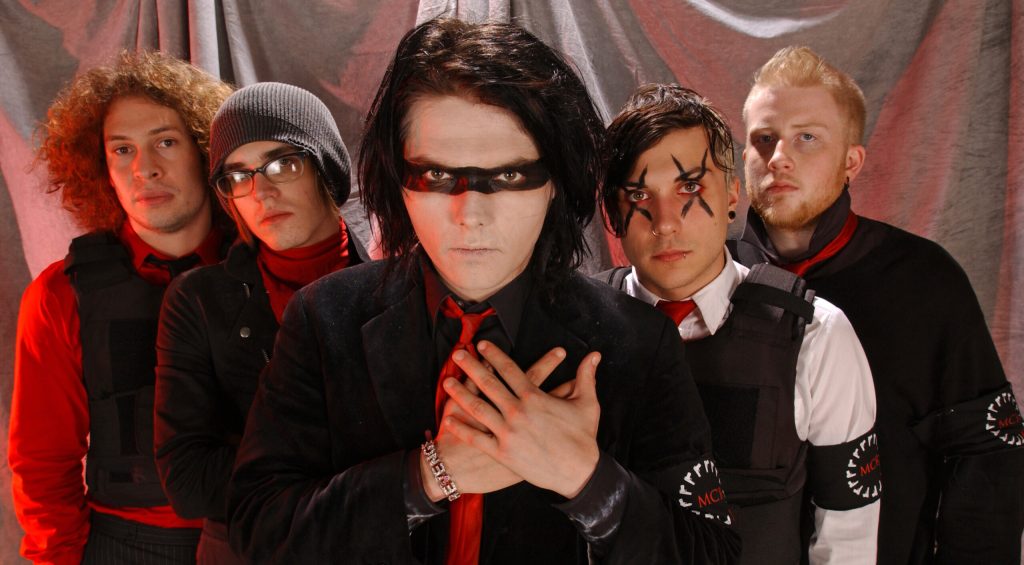
The most iconic band to emerge from the early 2000s emo scene was My Chemical Romance. Their 2004 album Three Cheers for Sweet Revenge became a bible, with tracks like “I’m Not Okay (I Promise)” and “Helena” capturing the essence of emo’s emotional rawness. The band’s ability to blend theatricality, punk energy, and deeply personal lyrics allowed them to carve out a unique niche in both the emo scene and mainstream rock.
The band’s singer, Gerard Way, became a frontman of the emo movement, using his personal struggles as inspiration for the band’s music. My Chemical Romance’s influence stretched beyond their music, with their fashion and aesthetic—often marked by black clothing, eyeliner, an infamous red tie, and sweeping hairstyles—becoming representations of the emo subculture. Their 2006 album The Black Parade further cemented their place in emo history, with songs like “Welcome to the Black Parade” offering musical takes on themes of death, identity, and resilience.

Fall Out Boy and Paramore: Emo’s Pop-Punk Evolution
While My Chemical Romance epitomized the darker, more theatrical side of emo, Fall Out Boy and Paramore contributed to a more pop-punk version of the genre. Fall Out Boy, with their witty lyrics and catchy hooks, blurred the lines between emo and pop-punk. Their 2005 album From Under the Cork Tree became a breakthrough moment for the band, with tracks like “Sugar, We’re Goin Down” and “Dance, Dance” capturing the angst of the emo scene while maintaining a more accessible, radio-friendly sound.
Meanwhile, Paramore, led by the powerhouse vocals of Hayley Williams, became one of the leading female-fronted bands in the genre. Their 2007 album Riot! was a blend of pop-punk, emo, and alternative rock, with songs like “Misery Business” and “That’s What You Get” providing anthems for frustrated youth. Paramore’s success also helped to challenge the male-dominated nature of emo, proving that the genre could be just as powerful and emotionally strong when led by a female voice.
The Lasting Impact of Emo
Emo, as a genre and a culture, left an indelible mark on the 2000s music scene. While its visibility may have waned in the years following its peak, the influence of bands like My Chemical Romance, Fall Out Boy, and Paramore remains undeniable. These bands not only popularized the sound but also provided a platform for the expression of emotions that many listeners were afraid to articulate. Emo became more than just a genre; it became a way for people to connect with their emotions and with each other. In the end, the word “emo” may have started as a label for a music style, but it evolved into something that represented a generation’s struggles, triumphs, and everything in between.

Even in the year 2020 and beyond, Emo culture is celebrated by the youth with the fashion, music and hairstyles making a fierce comeback. My Chemical Romance building up for their new tour in 2025, Paramore releasing their album “This Is Why” in 2023, and Van’s Warped Tour celebrating its 30th anniversary in 2025 , bringing back the iconic music festival. Emo – in the words of Gerard Way – “Will Carry On”.
Words by Haylea Allison
 Broken Static Magazine
Leave a comment